Edward Jones seminar: Outsmart the Scammers

Monday, July 11
5:30 to 6:30 PM

Free
Registration required

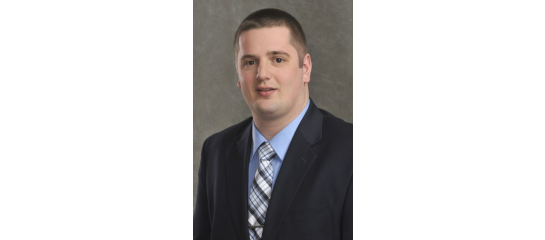
Incidents of fraud are on the rise, and scammers’ tactics are becoming more complex. This presentation by Brian Stinson of the Camillus Edward Jones office will help give you the information you need to Outsmart the Scammers.

During the program, Mr. Stinson will discuss how to spot certain red flags that may indicate a fraudulent encounter, resources you can turn to in the event you or loved ones are targeted, and steps you can take to help protect yourself and loved ones.

Some scams to be discussed are:

  • Collection fraud
  • Grandparent scam
  • Social Security scam

The program is free, but registration is required. As with any gathering, attendees are encouraged to follow sensible COVID protocols out of consideration for others in the group.

Consumer Financial Protection Bureau

The Consumer Financial Protection Bureau (CFPB) is working with libraries to let people know about the resources they offer for helping people manage finances to prepare for or deal with natural disasters and scams.

You can visit their site at https://www.consumerfinance.gov/prepare to see how to:

  • Prepare your finances before problems arise
  • Protect or recover money
  • Rebuild after a disaster or scam

Covid Vaccine Scam Alert

Severe Acute Respiratory Syndrome coronavirus 2 (SARS-CoV-2)

With the Covid vaccines’ becoming available, JoAnne Spoto Decker, Deputy Commissioner and Executive Director of the Office for Aging has shared the following alert:

It is life-saving news that the COVID-19 vaccine is starting to be administered in our area, across NYS, our country and the world.

At this time, the Office for Aging is concerned that our senior population may be targeted with COVID-19 vaccine related scams. It is essential that we alert the public of likely schemes and provide them with information on how they can protect themselves:

  • You likely will not need to pay anything out of pocket to get the vaccine during this public health emergency.
  • You cannot pay to put your name on a list to get the vaccine.
  • You cannot pay to get early access to the vaccine.
  • No one from Medicare or the Health Department with contact you.
  • No one from a vaccine distribution site or health care payer, like a private insurance company, will call you asking for your Social Security number or your credit card or bank account information to sign you up to get the vaccine.
  • Beware of providers offering other products, treatments, or medicines to prevent the virus. Check with your health care provider before paying for or receiving any COVID-19-related treatment.
  • If you get a call, text, email — or even someone knocking on your door — claiming they can get you early access to the vaccine, STOP. That’s a scam.

Please reach out to the Office for Aging (315-435-2362) if you become aware of any local, COVID-19 vaccine-related scams.


Image credit:
Illustration of Severe Acute Respiratory Syndrome coronavirus 2 (SARS-CoV-2)
by Alissa Eckert and Dan Higgins (both with CDC)
License: Public Domain

Online Security

Default Thumbnail

The FBI is reminding us that various scammers are preying on people online during the crisis. Their release talks about extra vigilence with respect to some of the garden variety scams one sees every day like phishing and spoofed email but also notes crisis-specific frauds like promotion of fake virus tests or fake cures. You can see the full press release at the FBI’s Internet Crime Complaint Center’s Website.

Phone Scams

Default Thumbnail

You may have gotten “sales” calls that caller ID showed as coming from your own neighborhood (or not too far away) but turned out not to be from the number that was shown. Perhaps you called that number to give the scammers a piece of your mind (as one understandably irate patron recently did after getting such a call that showed Maxwell as the purported caller), only to find that the people at that number had no idea about the call.

The Federal Trade Commission (FTC) has a few articles and blog posts about this sort of scam:

If you get such a call, the FTC recommends reporting it to them and to the FCC: